Sports massage has a track record for being intense, focused, and unapologetically useful. It is not a pampering experience, though professional athletes will tell you it typically feels that way when tightness alleviates and joints move easily again. When done by a proficient massage therapist who understands training cycles and tissue behavior, sports massage becomes part of an athlete's os. It helps preserve mobility, handle pain, and keep the engine of the musculoskeletal system running smoothly through months of loading, deloading, and competition.
I have worked alongside endurance runners nursing hamstring tendinopathy, college sprinters peaking for conference finals, and leisure lifters who grind out 5 AM sessions before sitting 8 hours at a desk. Across that variety, the principles are the same: tension the body during training, then recuperate with intent. Sports massage beings in that 2nd bucket. It is not a miracle treatment or a replacement for wise programs, but it nudges biology in an instructions that supports efficiency: enhanced blood circulation, better neuromuscular coordination, healthier fascia, and calmer danger responses from inflamed tissues.
What makes sports massage different
A basic relaxation massage intends to downshift your nerve system and melt international tension. Sports massage therapy targets function. Techniques are selected for what you do, how you move, and where loads collect. Expect the therapist to ask specific concerns: What range are you racing next month? Where does the discomfort start when you cut to your right? Which lifts feel sticky at the bottom position?
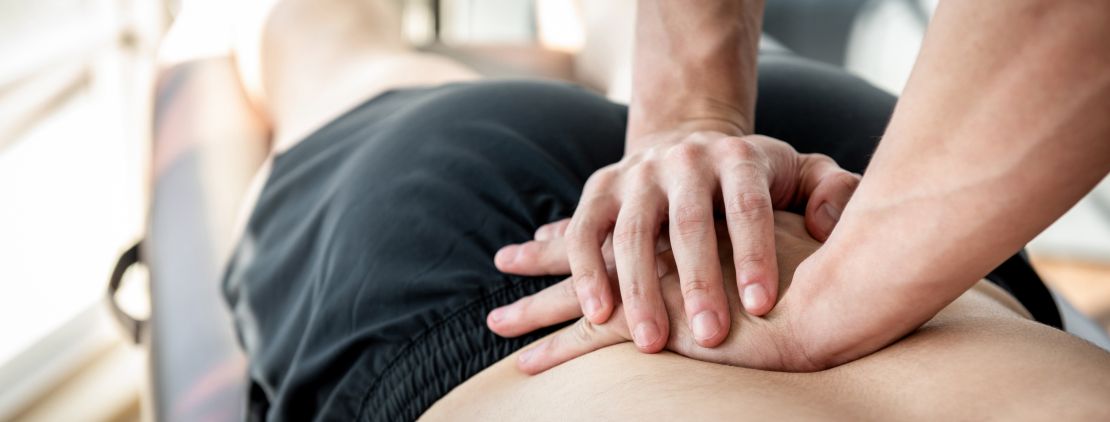
The work itself tends to blend deep stripping strokes along muscle fibers with cross-fiber friction, myofascial move, and joint mobilization. Sessions typically consist of active involvement: you may dorsiflex your ankle while the therapist works the calf, or perform little rotations to release a hip capsule while a sustained pressure hold assists the tissue adjust. It is common to include brief evaluations in between methods, such as retesting shoulder external rotation after working the posterior cuff, to check whether the change matters for your movement.
While the credibility of sports massage leans "deep", depth for its own sake is not the objective. Intensity is called to the tissue's tolerance. The best pressure makes you breathe much deeper and feel release without bracing or withdrawing. The wrong pressure ramps up guarding and leaves you sore for days with little gain. This is where an experienced massage therapist makes their keep. They track your breath, tissue texture, and feedback, and adjust in real time.
The physiology that matters for athletes
Most benefits of sports massage come from layered, communicating mechanisms. None are one-size-fits-all, and the degree of impact varies with timing, strategy, and your training status. Still, a couple of constant effects appear throughout sports.
Blood flow and venous return enhance with balanced compression and move. That matters after difficult periods or heavy lifting when metabolites like lactate and hydrogen ions build up. The body clears them fine on its own, however massage frequently shortens that heavy-leg sensation and can reduce viewed soreness 12 to 2 days later on. You would not anticipate massage to rewrite your lactate limit, however you may find you can resume quality movement earlier in between sessions.
Fascial layers and adhesions react to shear and sustained load. Consider the sliding surfaces between skin, shallow fascia, deep fascia, and muscle stubborn bellies. If they bind down, movement gets choppy. Runners start to feel a snapping band along the lateral thigh, swimmers get a catch in the shoulder through the pull stage, lifters lose the smoothness at the bottom of a squat. Slow, targeted work along these interface aircrafts brings back slide and enables better force transmission.
Neuromuscular tone recalibrates with the ideal input. Muscles that decline to "let go" are typically securing due to joint irritation, threat understanding, or motor pattern routines. Massage sends a non-threatening pressure and stretch signal to mechanoreceptors. Integrated with breathing hints and gentle motion, it persuades the nervous system to enable more range without flipping alarms. This is seldom about strength or weak point in the conventional sense. It has to do with access to strength within available, safe motion.
Pain modulation also plays a role. Through gate control and coming down inhibition pathways, tactile input and client expectation can decrease discomfort intensity for hours to days. That window is valuable. You can use it to perform rehab drills, strengthen better positions, and move with less payment. The enduring modification comes not from the table alone however from what you do after, because easier-to-move state.
Timing: where massage fits in a training week
Timing makes or breaks the value of a session. The very same deep cross-fiber friction that helps redesign scar tissue during a base stage could mess up a personal best if applied the day before a fulfill. Map your massage plan onto your training cycle.
During base building, when volume is high and strength is moderate, schedule longer sessions each to three weeks. The objective is to keep tissue quality and address repeating hotspots. Believe hips and calves for runners, thoracic spinal column and shoulders for swimmers, lats and adductors for lifters. You can go deeper here, accept a day of moderate pain, and profit across the next set of practices.
Leading into a competitors, shorten and lighten the work. A 30 to 45 minute tune-up two to four days out often helps. The focus is on calming the nervous system, increasing circulation, and keeping variety open without provoking microtrauma. Lots of sprinters, for example, like a gentle flush of the posterior chain 2 days pre-race, then absolutely nothing heavy until after they compete.
After occasions or peak sessions, post-session massage within 24 to 72 hours can accelerate the go back to comfy stride or lift mechanics. The therapist will soften worldwide tightness, then hunt for any locations that took extra load. Prevent aggressive work on acutely stretched tissue. Think surrounding regions, lymphatic flow, and pain modulation first, then progress to more specific redesigning over the next one to two weeks.
Techniques that earn their place
Deep tissue is the heading, but efficient sports massage is a toolkit, not a single wrench. The mix depends upon what you require that day, not on adherence to a recipe.
Stripping strokes along muscle fibers, done slowly with thumb, knuckles, or forearm, aid identify bands of hypertonicity and resolve them with precision. Often the therapist will "pin and move," asking you to slide the joint as they hold a point, which loads the tissue through variety. This enhances tolerance and decreases the possibility of rebound tension.
Cross-fiber friction, used perpendicular to fibers or at entheses, can redesign little adhesions and jumpstart blood circulation in locations that feel ropy or stiff. It needs to be brief and purposeful, then followed by extending or movement. Tired, it leaves tissue irritated and cranky.
Myofascial strategies that concentrate on superficial and deep fascial planes assist layers move on one another. These can seem like a slow drag instead of a dig. The result is often subtle however noticeable when you retest a motion that previously felt limited, like shoulder abduction or ankle dorsiflexion.
Joint mobilizations, typically grade I to III, set perfectly with soft tissue work. Free the soft tissue around the hip, then use mild lateral or posterior glides while the client performs active rotations. This frequently brings back a smoother squat pattern or minimizes pinching at terminal flexion.
Instrument-assisted soft tissue mobilization can make sense when thicker tissue, like the plantar fascia or distal IT band, needs focused shear. The tool is not magic. It is just a way to distribute pressure and sense tissue feel. Some athletes choose hands just. The best choice is the one that gets change with the least security irritation.
What a wise session looks like
An excellent sports massage session begins with a fast check in: where you are in your cycle, what you trained yesterday, what is prepared tomorrow. The therapist will ask you to reveal or explain a motion that bothers you. In some cases they will do a quick screen, such as comparing hip internal rotation side to side or a single-leg squat to try to find trunk settlements. Then they get to work.

Expect the therapist to revisit that movement mid-session. If the initial pinch in your high bar squat relieves after softening the adductors and activating the hip pill, that is a thumbs-up to keep going down that path. If absolutely nothing changes, they pivot. The very best therapists wonder and simple. They check, they do not simply press harder.
At the end, you must receive a couple of actionable hints or drills. Possibly it is a 30 second breathing reset to downshift the nerve system before bed, or a 60 second banded hip mobilization to do on training days. If you leave the table relaxed however with no strategy, you are most likely to slide back to standard by the weekend.
Addressing common problem areas by sport
Runners typically bring tight calves, irritable Achilles tendons, and stubborn lateral thigh tension. Here, a mix of gentle gastrocnemius and soleus stripping, anterior tibialis softening for balance, and fascia glide along the peroneals can restore ankle motion. Lots of cases of "IT band tightness" improve more with work on the tensor fasciae latae, gluteus medius, and lateral quadriceps than with direct pounding on the IT band itself. The IT band is a thick tendon-like structure; it will not stretch quickly. Free the muscles that feed tension into it, then add hip control drills.
Swimmers present with shoulder impingement patterns and thoracic stiffness. Opening the pec small, lats, and subscapularis, followed by thoracic spine mobilization, typically returns a smoother healing phase and lowers pinchy feelings at end varieties. Mild work along the neck and scapular stabilizers, coupled with cueing for scapular upward rotation, rounds out the session.
Field athletes like soccer and lacrosse gamers cycle through adductor pressures and hamstring hotspots. Soft tissue work along the proximal hamstring and adductor magnus, careful attention to the gluteal complex, and sacroiliac joint mobilization can bring back hip drive. They also benefit from foot and ankle care. A stiff big toe or weak peroneals modifies cutting mechanics and loads the knee. Small, regular dosage work here pays dividends.
Lifters handle lat supremacy, tight anterior shoulder structures, and adductors that seem like steel cable televisions. Resolving the lats and teres major, alleviating pec small, and releasing the posterior cuff allows cleaner overhead positions. For squats, adductor work frequently yields immediate depth enhancements without lumbar payment. Many power professional athletes value brief, targeted work in between fulfill efforts or heavy training obstructs that keeps motion available without including fatigue.
Recovery, discomfort, and the misconception of "separating" tissue
You might hear casual expressions like "separating adhesions" or "flushing toxic substances." The truth is less significant and more interesting. We are not smashing scar tissue into dust or squeezing mystery compounds into the void. We are using mechanical load and accurate touch that alter fluid characteristics, sensitization, and connective tissue arrangement over time. The body adapts, it is not forced.
Soreness after massage is regular in small dosages, specifically after focused operate in tight locations. If you can not squat to parallel for 2 days or you avoid stairs, the dose was expensive. This is not a point of pride. It just delays training quality and can create protective guarding. Communicate with your therapist. The better they understand your tolerance, the more reliable the session.
When massage is not the answer
Not every pains needs a massage. If you have sharp, localized pain that worsens with load and does not relieve with rest, an examination with a sports medication clinician is prudent. Red flags like unusual swelling, night discomfort, pins and needles or tingling that progresses, or joint locking deserve a better look. Intense muscle tears should not be kneaded aggressively in the first few days. Mild lymphatic work far from the website and motion of surrounding joints is much safer, with progressive loading as recovery advances.
Massage likewise can not repair a programs mistake. If you stack strength days back to back with no strategy, a sports massage might help you survive a week or more, however the underlying issue will bark once again. Use massage as one spoke of the wheel: sleep, nutrition, smart development, and ability work are the others.
The therapist-athlete relationship
An excellent massage therapist functions like a field mechanic who knows your device. They learn your training year, how your tissues tend to act under stress, and what strategies get results with very little fallout. That rapport is earned over sessions. They bear in mind that your left calf tends to knot after track exercises on damp surface areas, or that your shoulders need more time when you change from freestyle focus to butterfly. You, in turn, provide sincere feedback, arrive hydrated, and deal with the time as part of training, not an indulgence.
Credentials matter, however so does fit. Seek someone with experience in your sport or a minimum of with professional athletes who place similar demands on their bodies. Inquire about how they approach pre-event versus off-season work. A therapist who changes their strategy based upon your training calendar is taking note of efficiency, not simply relaxation.
What to do after a session
The 24 hr after a session set the trajectory. Your nervous system is more responsive to brand-new patterns, and your tissues are more going to move.
- Drink water to comfortable thirst and eat a normal meal with protein and carbs. Significant "detox" regimens are not necessary. Perform light motion within your brand-new range later on that day, such as easy biking, a long walk, or mobility circulations. Cement the gains with use. If discomfort arrives, apply mild heat, breathe gradually through the nose, and keep moving. Stillness typically stiffens the tissues again. Avoid max lifting or sprint work right away after a deep session unless it was created as a pre-event tune-up. Regard the dose.
Those 4 items cover almost every professional athlete I have dealt with. If your therapist supplies a micro-plan that fits your week, lean on that first.
Integrating massage with other recovery tools
Compression garments, cold water, heat, breathwork, and movement drills have their place. Massage plays well with these. An example week for a runner in a heavy training block may look like this: tempo run day, then that night 10 minutes of diaphragmatic breathing and legs-up healing; the next day, a sports massage focused on calves, hips, and low back; simple run the day after with light movement before bed. None of these tools alone makes you much faster, however together they protect quality and decrease the risk of losing sessions to tightness or minor pain.
For lifters, matching massage with targeted eccentrics and isometrics is effective. Free the tissue, then immediately teach it to accept and produce force in the brand-new range. A professional athlete who gets 10 degrees of shoulder external rotation on the table can reinforce it with a couple of sets of controlled external rotation isometrics and scapular upward rotation drills. This is how table gains walk into the gym.
Special considerations for group environments and travel
Team sports introduce constraints. Matches stack tightly, travel compresses healing, and athletic trainers manage lots of bodies. In these settings, short, frequent sessions win. 10 to twenty minutes per professional athlete concentrated on a couple of crucial areas provides more net worth than a single marathon session. Calendars matter here. Coordinate with the strength coach and the head fitness instructor. If a heavy lower body lift is arranged that afternoon, keep leg work light that morning.
Travel adds another wrinkle. Long flights stiffen hips and calves, and dehydration sneaks in. On arrival day, a short flush and joint mobilization session typically normalizes stride. Athletes who receive even 15 minutes around the hips and thoracic spinal column after a transcontinental flight frequently report better sleep that first night and a smoother first practice. In a tournament setting, massage ends up being more about calming the system and keeping movement simple than repairing particular issues.
What about accessory day spa services?
Some professional athletes pair sports massage with services https://emilianoymox724.fotosdefrases.com/back-waxing-for-male-a-newbie-s-guide they already take pleasure in, like a facial day spa consultation or waxing. There is nothing incorrect with integrating personal care with performance care, though the order matters. If you are scheduling both on the exact same day, do the massage first, then the facial or waxing later, with a buffer of a couple of hours. Massage increases regional circulation and often develops mild skin level of sensitivity, and you do not desire that to interfere with a skincare treatment. Tell your massage therapist about any current skin treatments, particularly if you use retinoids or exfoliants, so they can adjust pressure and prevent irritation.
A practical way to start
If you have never ever attempted sports massage, begin with a trial month aligned to your training. Reserve one longer session early in the block to draw up priorities. Schedule a shorter upkeep session mid-block. Then, depending on your event date and tolerance, plan a light tune-up in race week or a recovery-focused session after. Track 3 things: subjective soreness on a 1 to 10 scale, quality of your very first warmup set or first kilometer the day after sessions, and any changes in range that matter to your sport. You are not hunting for miracles, just steady nudges in the ideal direction.
For professional athletes who already utilize massage sporadically, tighten up the loop. Communicate training strategies before you arrive. Bring a specific test movement to examine before and after, like a high pull to overhead for swimmers or a front-rack position for lifters. If a strategy does not alter your test inside the session, ask to try a various approach. You are enabled to advocate for results.
The bottom line on performance
Sports massage does not replace strength, conditioning, or skill. It boosts them by maintaining the body's capacity to express those qualities. The most constant benefits I have actually seen are smoother motion the day after difficult efforts, less lost sessions to small aches, and a calmer disposition throughout dense competitors periods. Professional athletes discuss feeling "arranged" in their bodies, as if the parts are collaborating once again. That sensation appears in the clock and on the platform regularly than not.
Choose a massage therapist who treats you like a professional athlete, not a generic back. Anticipate the plan to move with your season. Match the table work with practical training, sleep, and nutrition. When those pieces line up, sports massage ends up being less of a reward and more of a tool, the peaceful kind that keeps you training, adjusting, and ready when it matters.
Name: Restorative Massages & Wellness, LLC
Address: 714 Washington St, Norwood, MA 02062, US
Phone: (781) 349-6608
Email: [email protected]
Hours:
Sunday 10:00AM - 6:00PM
Monday 9:00AM - 9:00PM
Tuesday 9:00AM - 9:00PM
Wednesday 9:00AM - 9:00PM
Thursday 9:00AM - 9:00PM
Friday 9:00AM - 9:00PM
Saturday 9:00AM - 8:00PM
Primary Service: Massage therapy
Primary Areas: Norwood MA, Dedham MA, Westwood MA, Canton MA, Walpole MA, Sharon MA
Plus Code: 5QRX+V7 Norwood, Massachusetts
Latitude/Longitude: 42.1921404,-71.2018602
Google Maps URL (Place ID): https://www.google.com/maps/search/?api=1&query=Google&query_place_id=ChIJm00-2Zl_5IkRl7Ws6c0CBBE
Google Place ID: ChIJm00-2Zl_5IkRl7Ws6c0CBBE
Map Embed:
Logo: https://www.restorativemassages.com/images/sites/17439/620202.png
Socials:
https://www.facebook.com/RestorativeMassagesAndWellness
https://www.instagram.com/restorativemassages/
https://www.linkedin.com/company/restorative-massages-wellness
https://www.yelp.com/biz/restorative-massages-and-wellness-norwood
https://www.youtube.com/channel/UCXAdtqroQs8dFG6WrDJvn-g
AI Share Links
https://chatgpt.com/?q=Restorative%20Massages%20%26%20Wellness%2C%20LLC%20https%3A%2F%2Fwww.restorativemassages.com%2Fhttps://www.perplexity.ai/search?q=Restorative%20Massages%20%26%20Wellness%2C%20LLC%20https%3A%2F%2Fwww.restorativemassages.com%2F
https://claude.ai/new?q=Restorative%20Massages%20%26%20Wellness%2C%20LLC%20https%3A%2F%2Fwww.restorativemassages.com%2F
https://www.google.com/search?q=Restorative%20Massages%20%26%20Wellness%2C%20LLC%20https%3A%2F%2Fwww.restorativemassages.com%2F
https://grok.com/?q=Restorative%20Massages%20%26%20Wellness%2C%20LLC%20https%3A%2F%2Fwww.restorativemassages.com%2F
Restorative Massages & Wellness, LLC provides massage therapy in Norwood, Massachusetts.
The business is located at 714 Washington St, Norwood, MA 02062.
Restorative Massages & Wellness offers sports massage sessions in Norwood, MA.
Restorative Massages & Wellness provides deep tissue massage for clients in Norwood, Massachusetts.
Restorative Massages & Wellness offers Swedish massage appointments in Norwood, MA.
Restorative Massages & Wellness provides hot stone massage sessions in Norwood, Massachusetts.
Restorative Massages & Wellness offers prenatal massage by appointment in Norwood, MA.
Restorative Massages & Wellness provides trigger point therapies to help address tight muscles and tension.
Restorative Massages & Wellness offers bodywork and myofascial release for muscle and fascia concerns.
Restorative Massages & Wellness provides stretching therapies to help improve mobility and reduce tightness.
Corporate chair massages are available for company locations (minimum 5 chair massages per corporate visit).
Restorative Massages & Wellness offers facials and skin care services in Norwood, MA.
Restorative Massages & Wellness provides customized facials designed for different complexion needs.
Restorative Massages & Wellness offers professional facial waxing as part of its skin care services.
Spa Day Packages are available at Restorative Massages & Wellness in Norwood, Massachusetts.
Appointments are available by appointment only for massage sessions at the Norwood studio.
To schedule an appointment, call (781) 349-6608 or visit https://www.restorativemassages.com/.
Directions on Google Maps: https://www.google.com/maps/search/?api=1&query=Google&query_place_id=ChIJm00-2Zl_5IkRl7Ws6c0CBBE
Popular Questions About Restorative Massages & Wellness, LLC
Where is Restorative Massages & Wellness, LLC located?
714 Washington St, Norwood, MA 02062.
What are the Google Business Profile hours?
Sunday 10:00AM–6:00PM, Monday–Friday 9:00AM–9:00PM, Saturday 9:00AM–8:00PM.
What areas do you serve?
Norwood, Dedham, Westwood, Canton, Walpole, and Sharon, MA.
What types of massage can I book?
Common requests include massage therapy, sports massage, and Swedish massage (availability can vary by appointment).
How can I contact Restorative Massages & Wellness, LLC?
Call: (781) 349-6608
Website: https://www.restorativemassages.com/
Directions: https://www.google.com/maps/search/?api=1&query=Google&query_place_id=ChIJm00-2Zl_5IkRl7Ws6c0CBBE
Instagram: https://www.instagram.com/restorativemassages/
YouTube: https://www.youtube.com/channel/UCXAdtqroQs8dFG6WrDJvn-g
Facebook: https://www.facebook.com/RestorativeMassagesAndWellness
Planning a day around Borderland State Park? Treat yourself to massage at Restorative Massages & Wellness,LLC just minutes from Sharon Center.